Articles
Insights and updates from the FastFormulator team
Recent Posts
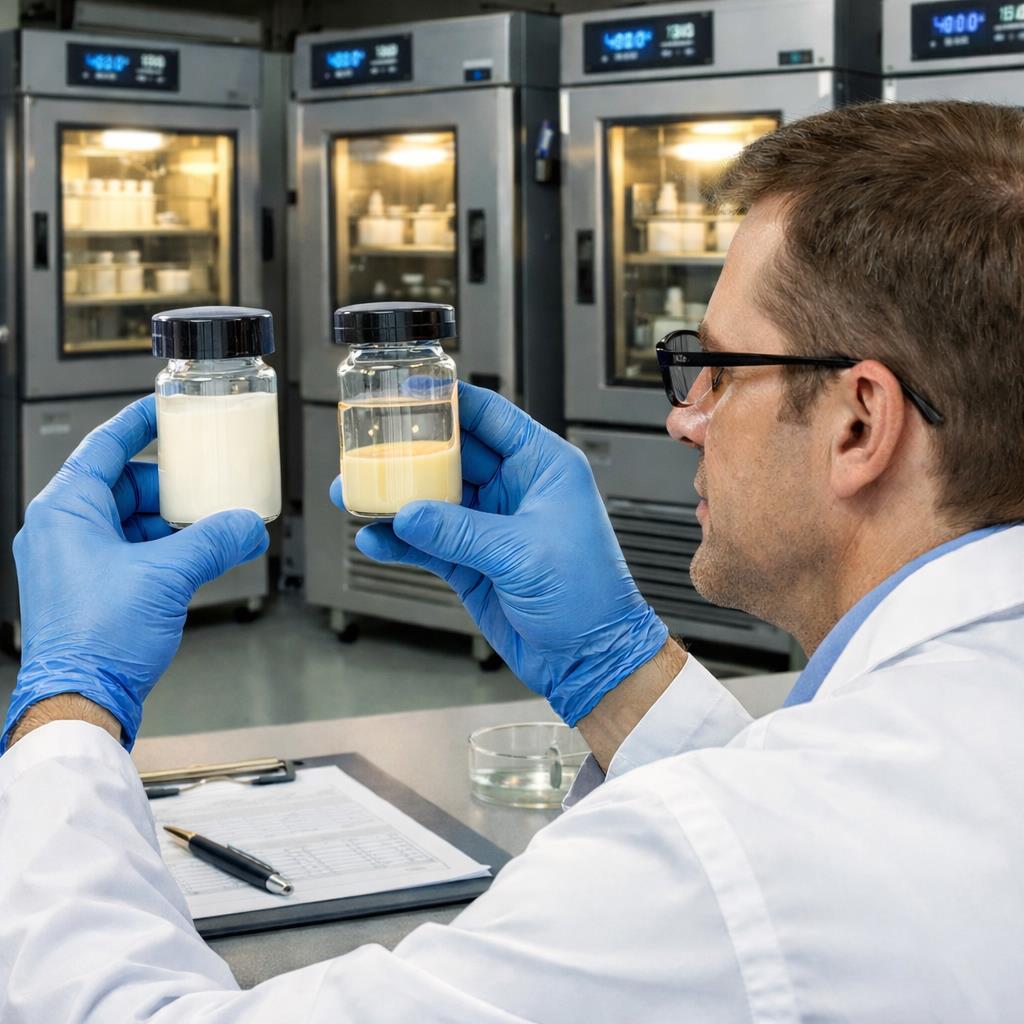
Sedimentation and dosing accuracy in oral liquid pharmaceuticals
July 2026
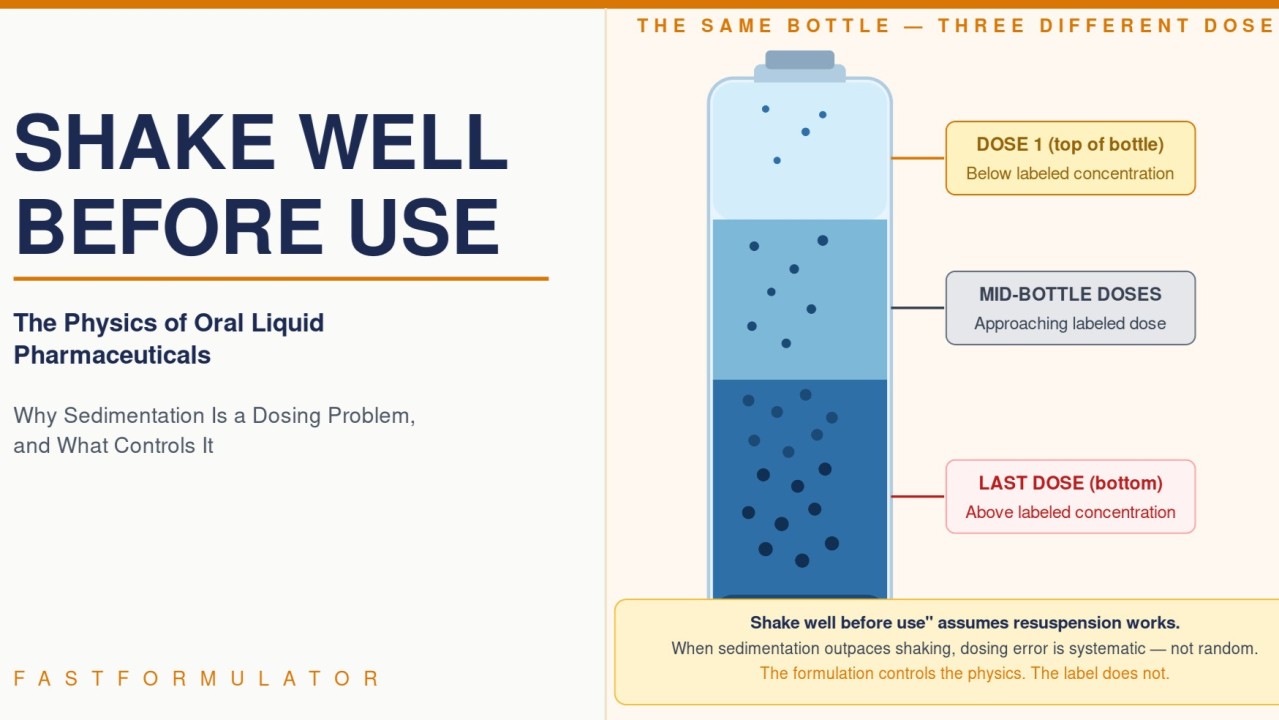
When the Medicine Settles: Sedimentation, Dosing Accuracy, and the Physics of Oral Liquid Pharmaceuticals
“Shake well before use” assumes resuspension works. Why sedimentation makes dosing error systematic rather than random, and how particle size, viscosity, and zeta potential decide whether a sediment redisperses.
Read more →
Rheology of topical drug delivery
July 2026
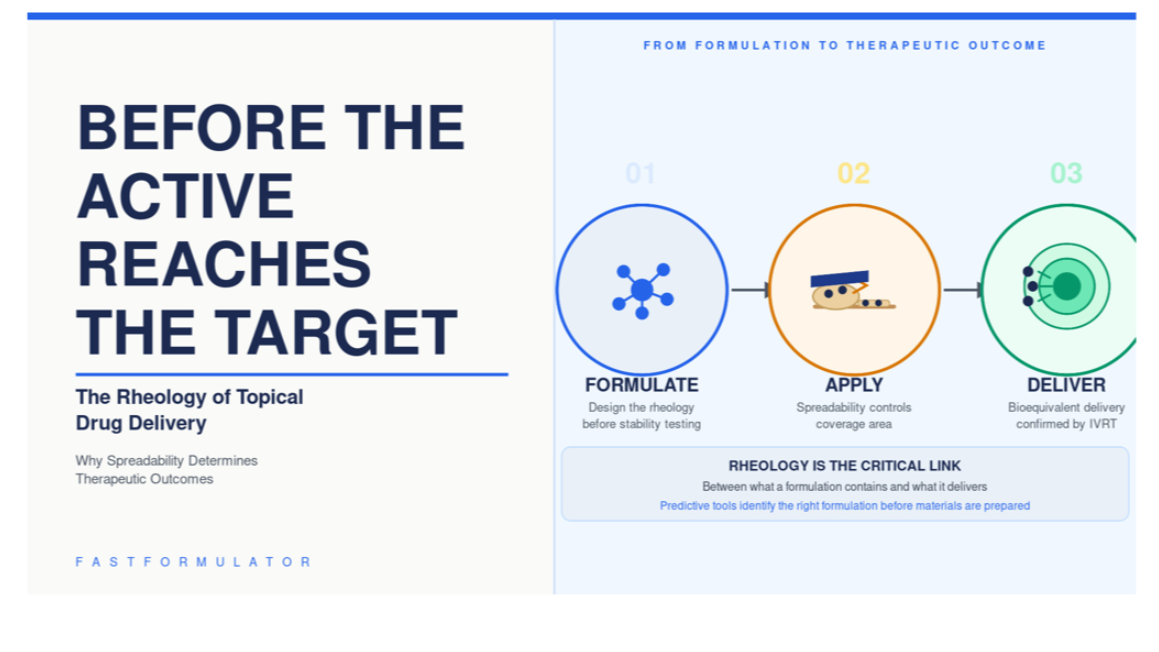
Before the Active Reaches the Target: The Rheology of Topical Drug Delivery and Why Spreadability Determines Therapeutic Outcomes
A vehicle change that passes viscosity and sensory checks can still fail bioequivalence. Why spreadability, yield stress, and film behavior decide how much drug actually reaches the target tissue.
Read more →
Foundation microstructure under the microscope
July 2026
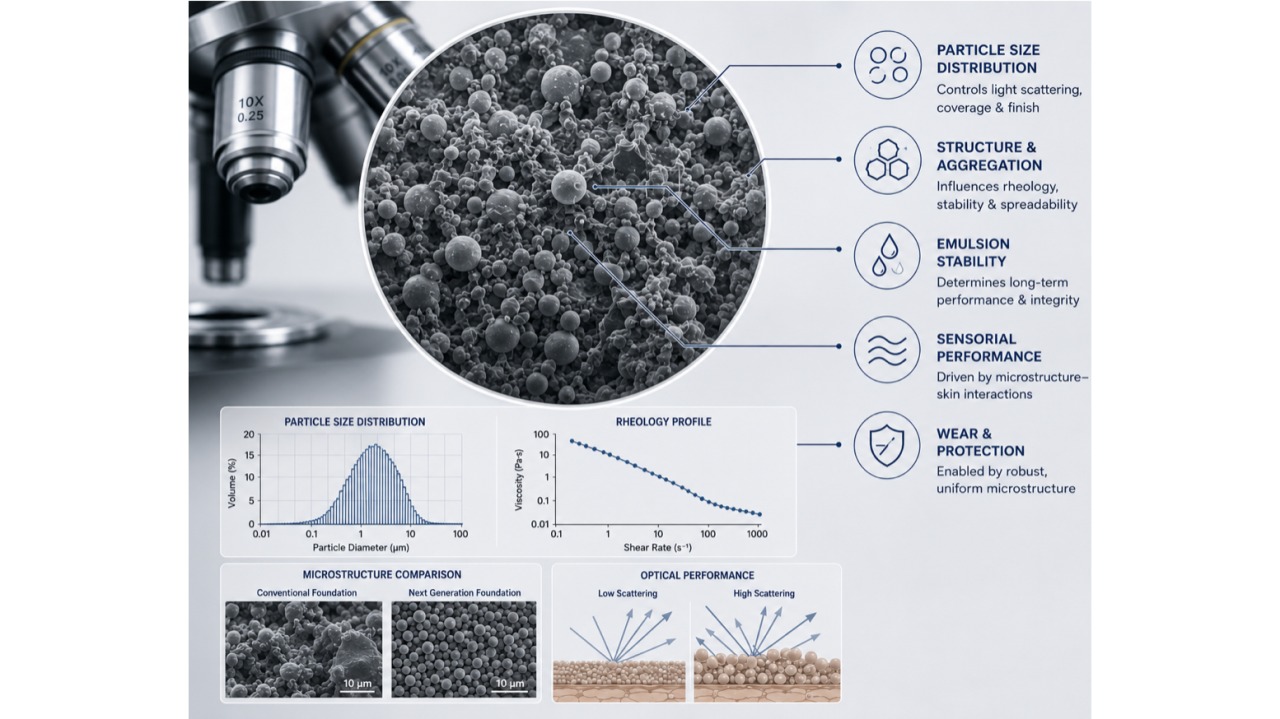
Formulating the Next Generation of Foundation: Why Microstructure Is the New Battleground
Skincare claims, 60-shade ranges, SPF, and clean-beauty limits now land in a single emulsion. Why foundation performance is decided at the microstructural level, across rheology, stability, film formation, and particle size.
Read more →
UV filter regulation and particle physics in sunscreen
July 2026
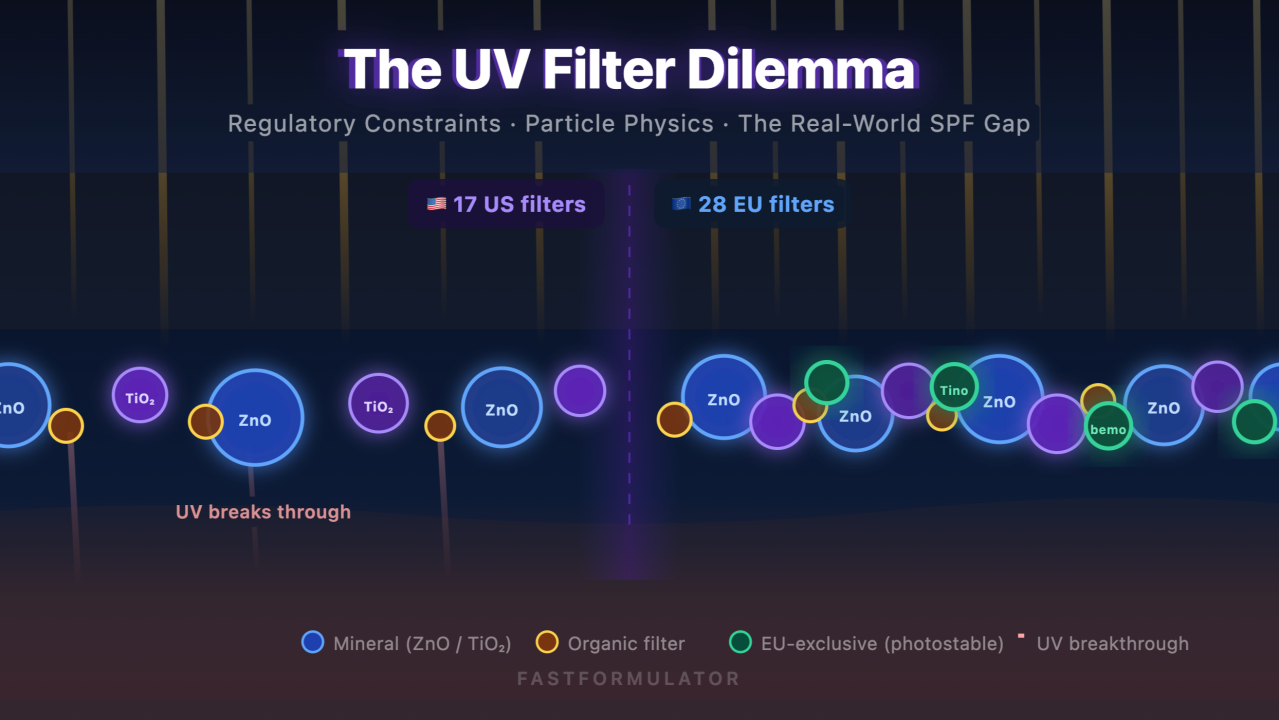
The UV Filter Dilemma: Regulatory Constraints, Particle Physics, and the Real-World SPF Gap
US formulators work from 17 approved UV filters while Europe has 28. How regulation narrows the palette before any chemistry begins, and why particle size decides real-world SPF across skin tones.
Read more →
Plant proteins in next-generation food formulation
June 2026
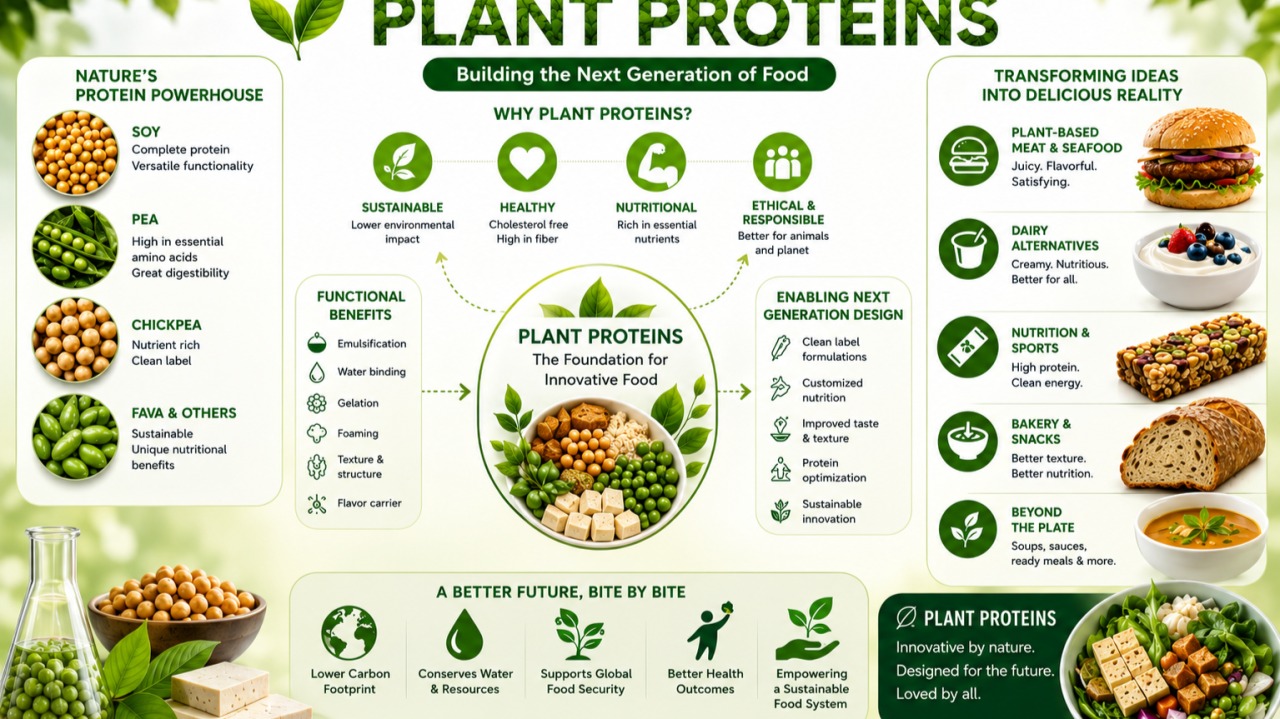
Building Next-Generation Foods: Plant Proteins, Low-GI Design, and the Properties That Make Them Work
Protein-forward nutrition and metabolic-health claims have pushed plant proteins into formats they were never built for. Why rheology, interfacial behavior, colloidal stability, and foam persistence decide whether these products work.
Read more →
Next-generation sunscreen formulation
May 2026
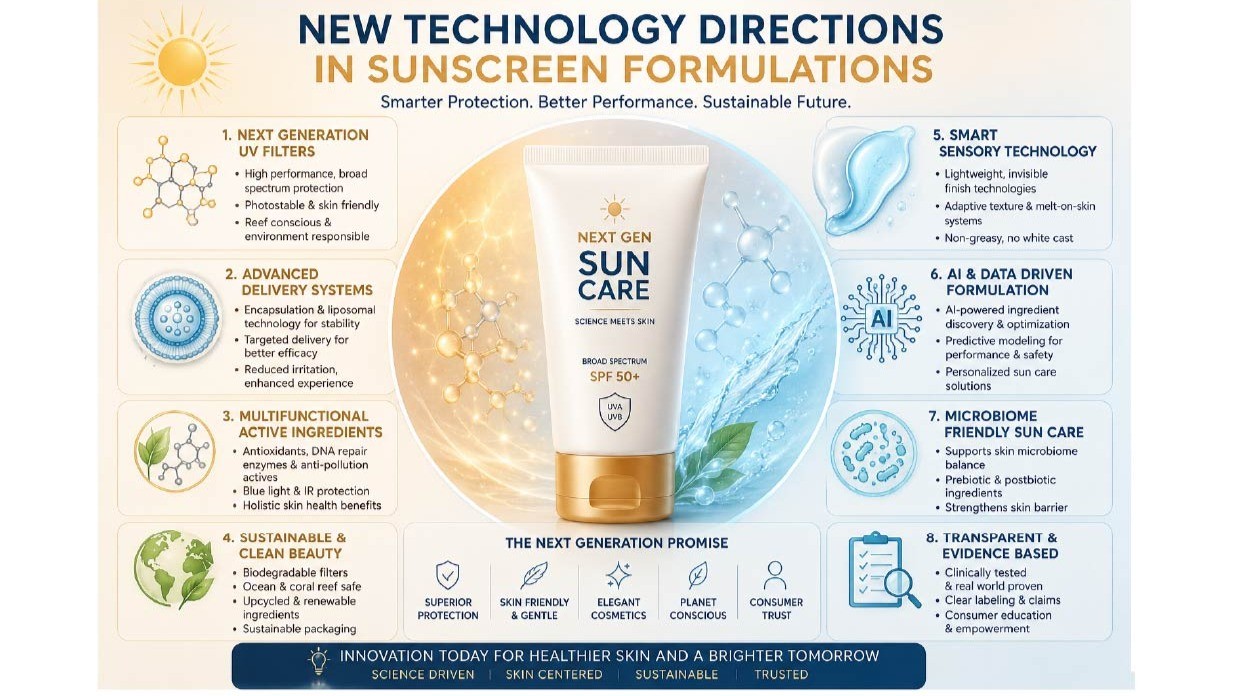
How Modern Sunscreen Trends Are Forcing a Rethink of Formulation Design
Regulatory bans and consumer demands have shifted the UV filter palette under formulators' feet. Why shear-thinning rheology, interfacial behavior, and colloidal stability now decide whether a reformulation succeeds.
Read more →
Formulation of next-generation pharmaceuticals and biologics
May 2026
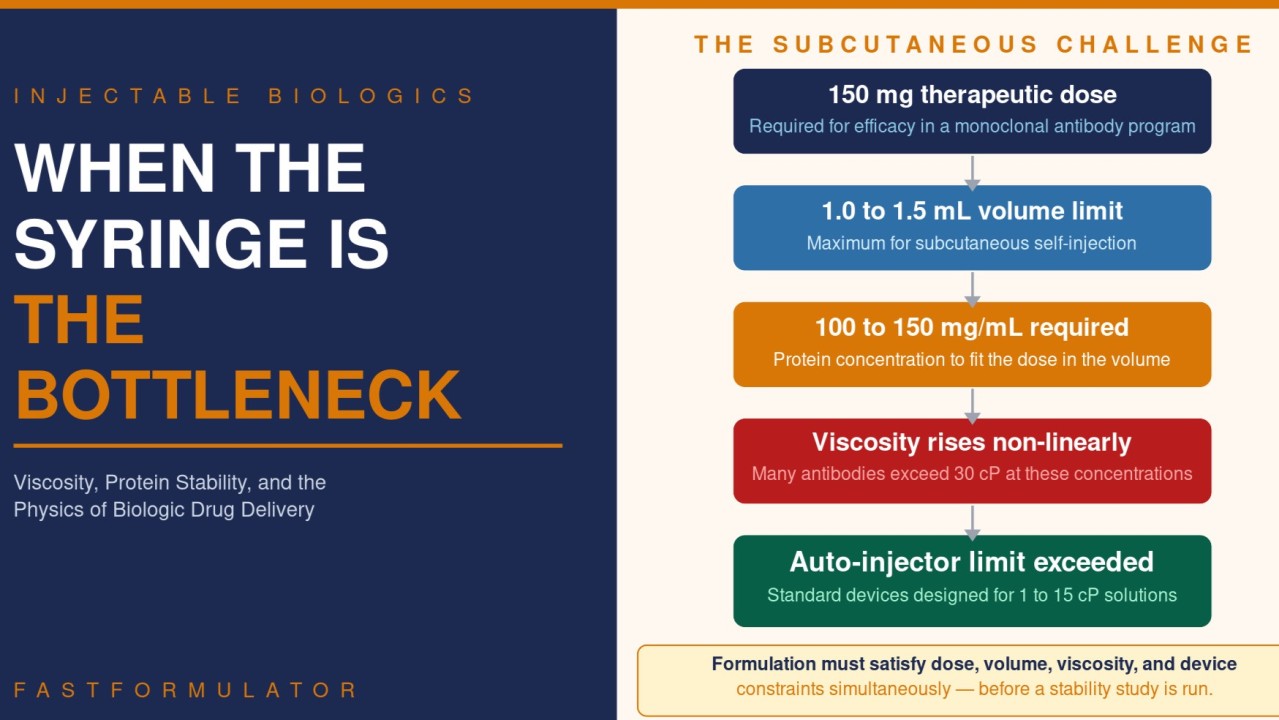
The Formulation Principles of Next-Generation Pharmaceuticals and Biologics
Biologics are moving to high-concentration self-injection, and physicochemical properties are no longer secondary. Why stability, rheology, and interfacial behavior now determine manufacturability and delivery.
Read more →
Trust in machine learning for R&D
May 2026
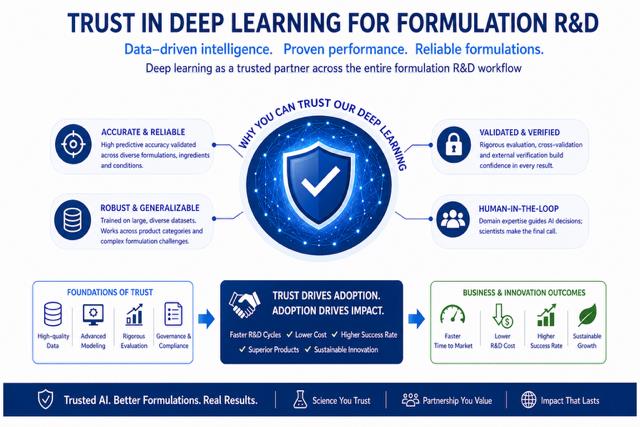
Can I Trust Machine Learning to Accelerate My Formulation R&D?
Understanding when ML predictions are reliable, how to validate them, and why trust requirements in formulation are context-dependent. Building trust through data quality, validation, and security.
Read more →
Surface tension in formulation
May 2026
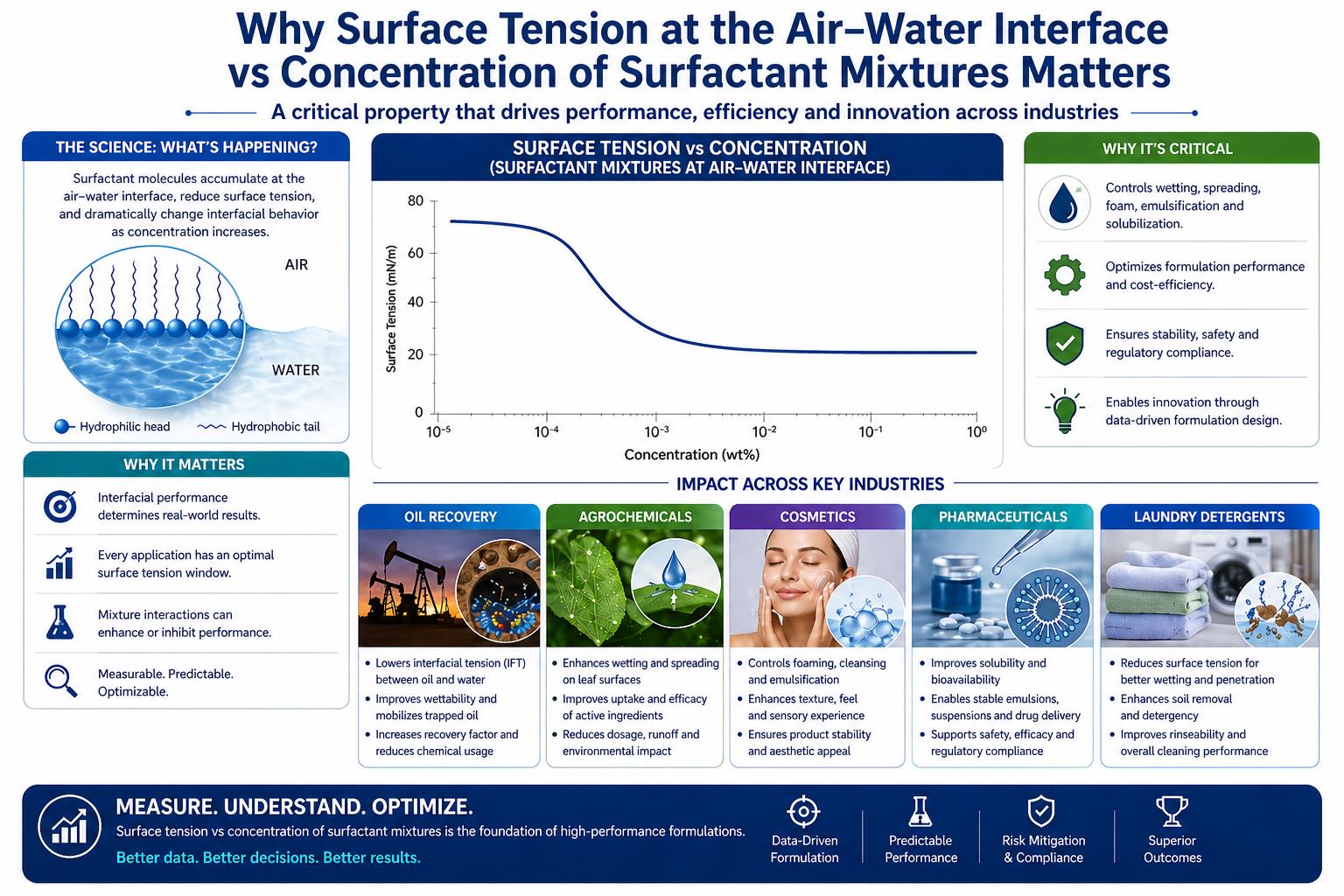
Why Surface Tension Matters for Formulated Products
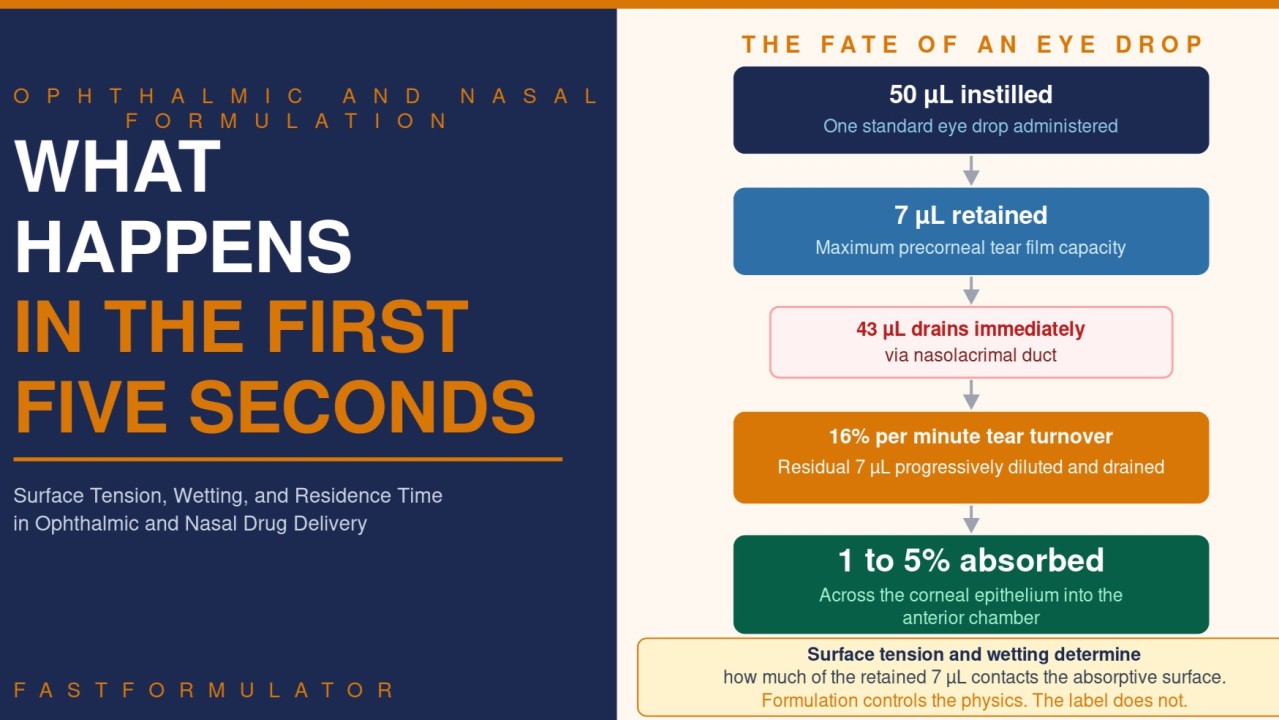
How surface tension affects wetting, spreading, foam, and emulsion behavior across industries. Understand why reformulation is making this critical property harder to get right.
Read more →
Deep learning in formulation workflow
May 2026
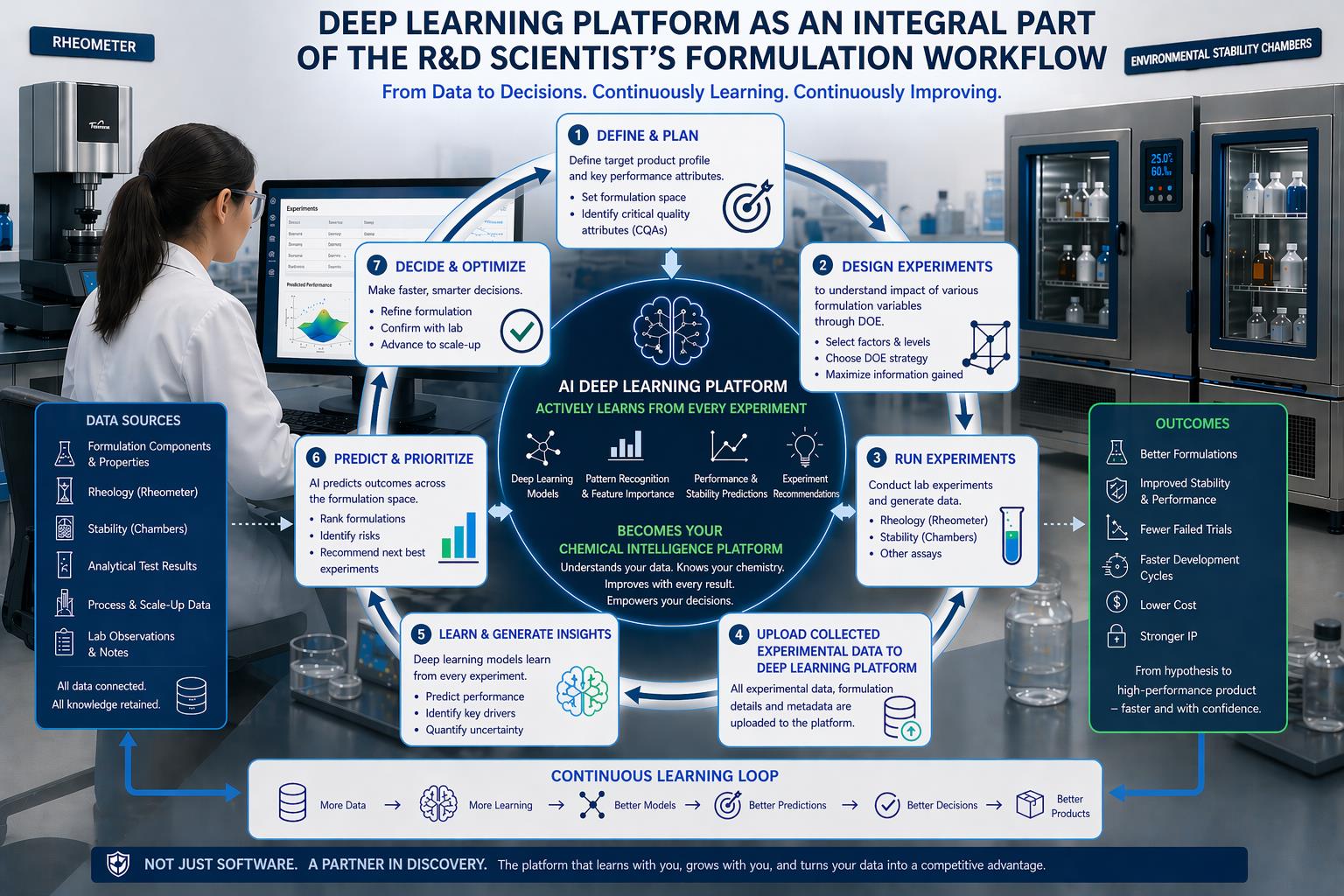
From Data to Decisions: Deep Learning in Formulation Workflow
How deep learning platforms integrate into R&D workflows to create a continuous learning loop. Make every experiment more valuable and preserve institutional knowledge.
Read more →
Laundry detergent formulation
May 2026
Rewriting Laundry Formulation: Market Shifts Forcing Innovation
Cold-water washing, concentrated formats, bio-based surfactants, and sustainability pressures are reshaping laundry detergent formulation. Learn how these constraints require a deeper understanding of physicochemical fundamentals.
Read more →
AI ML and Deep Learning comparison
May 2026
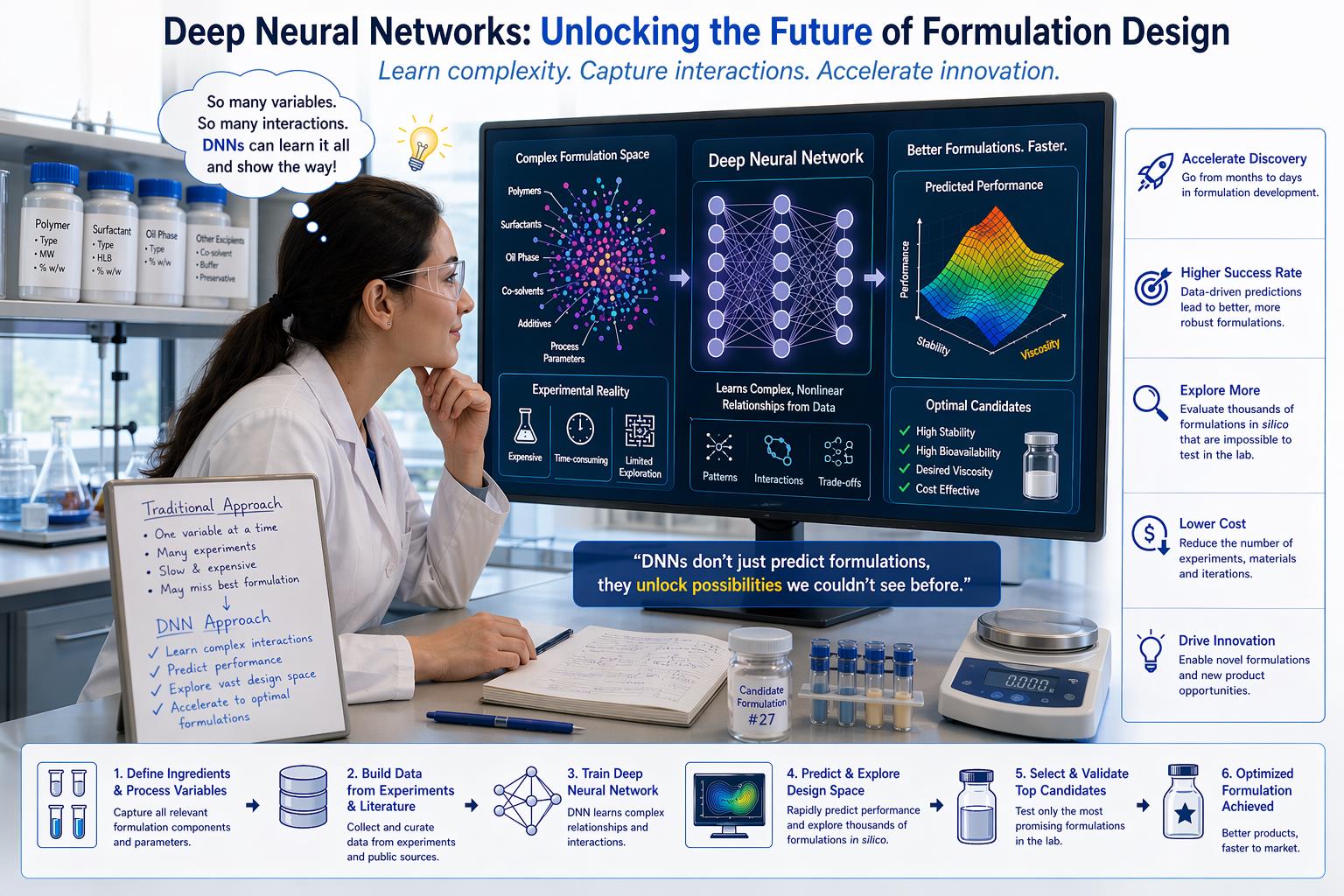
From Linear Models to Deep Neural Networks
Choosing the right AI for formulation innovation. Understand when to use simple statistical models versus deep learning and why the choice depends on your data, complexity, and goals.
Read more →
AI in formulation design
May 2026
Designing Chemical Products with AI - Don't Be Confidently Incorrect
Why LLMs are not suitable for formulation design and physicochemical property prediction. Domain-specific, chemistry-aware models are required for reliable predictions.
Read more →
Colloidal stability and product formulation
May 2026
Why Waiting Months for Stability Data Is Killing Innovation
Colloidal stability is the silent bottleneck in product development. Learn why stability testing is the rate-limiting step and how predictive tools can identify unstable candidates before committing to long testing cycles.
Read more →
Agricultural drone spraying crops
April 2026
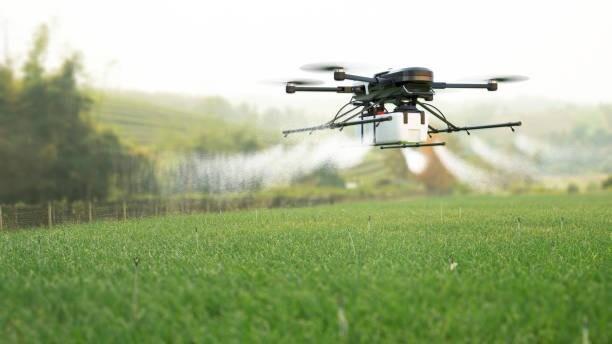
Rapid Evolution of Drone Spraying Technology
Why drone spraying is forcing agrochemical reformulation. Learn about the critical role of viscosity and stability in ultra-low-volume delivery and how drone systems introduce new physical constraints for formulation design.
Read more →
Various formulated products
April 2026
The Importance of Rheology in Formulation Design
Why products work or don't - understanding flow curves and shear-rate behavior. Discover how viscosity as a function of shear rate determines whether a formulated product performs as intended across paints, pharmaceuticals, lotions, and more.
Read more →
Hands holding cleansing foam
April 2026
Developing the Next Generation of Cleansers and Shampoos
The critical role of physicochemical optimization in developing sustainable skincare and haircare products. Explore the shift from sulfate-based to bio-based surfactant systems and the formulation challenges that come with it.
Read more →
Oil rig at sunset
April 2026
Cracking the Chemistry of Oil Recovery
Intelligent formulation design for complex reservoirs. Learn how the oilfield services industry is shifting from commodity chemicals to engineered, system-level formulations tailored to reservoir conditions.
Read more →